Why does alcohol dehydrate your body?
This effect can complicate the body’s fluid equilibrium, making it challenging to maintain optimal hydration levels. We’ll delve into how alcohol can cause dehydration, identify the symptoms to watch for, and offer practical advice on how to counteract this drying effect. Our goal is to empower you with knowledge so you can enjoy alcohol responsibly without compromising your hydration status. While the jury is still out on whether alternately drinking water while drinking alcohol is beneficial to staying hydrated, we don’t think it can do any harm. One thing that will help you though is to drink a good amount of water before any night out to build up your hydration levels. And the NHS advise to also drink a pint or so of water before you go to sleep.
Steps to Prevent Dehydration
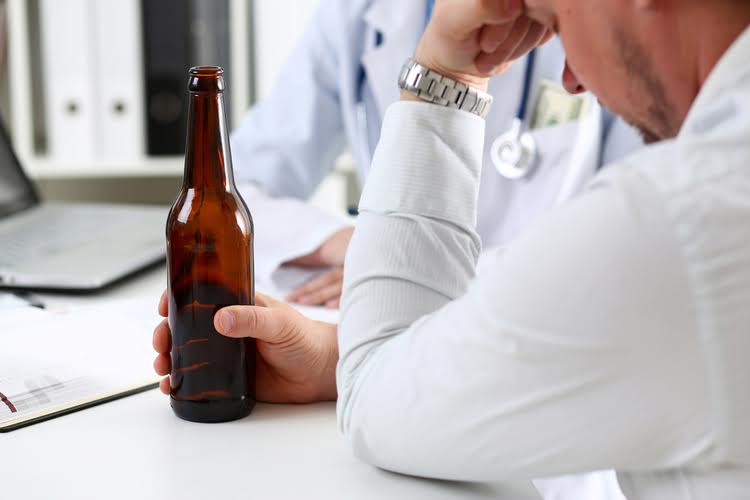
Alcohol inhibits the body’s production of certain hormones, such as ADH and vasopressin, which regulate the body’s hydration levels. This leads to increased urination, which in turn causes dehydration. Additionally, alcohol is also known to interfere with the body’s ability to absorb and retain fluids, further contributing to dehydration.
“Drinking Beer is the best way to Stay Hydrated.”
- Although high-quality studies on the use of chamomile for hangover recovery are lacking, Michalczyk says some people report that chamomile calms overwhelming feelings brought on by drinking.
- If you experience unexpected allergic reactions to alcohol, consult an allergist or healthcare provider for proper evaluation and diagnosis.
- In fact, our locations offer a dedicated IV drip therapy for hangovers and their common symptoms.
- You’ll also want to include a quick dose of electrolytes, which work on a cellular level to carry much-needed fluids in and out of the cell.
Individual factors, such as genetics, overall health, and the type of alcohol consumed, can also influence the impact of booze on your liver. Since alcohol travels through the bloodstream, it can travel to other areas of our body including the pituitary gland in our brain. The pituitary gland is responsible for regulating our growth, metabolism, and reproduction by creating and regulating hormones. When alcohol reaches the pituitary gland, it blocks the creation of vasopressin, which is known as the antidiuretic hormone or the hormone that helps us retain fluid in our body.
Physiological Factors Contributing to Hangover
Hydrate; eat a meal rich in complex carbohydrates, vegetables, and protein; and sleep as much as possible, says Agarwal. Just know that if you’re often drinking heavily and then why does alcohol dehydrate you sleeping in, this may amount to a problem, Cleveland Clinic notes, as you may start disrupting your day and night sleeping patterns. Chronic dehydration due to alcohol consumption can lead to kidney damage and increase the risk of kidney stones and urinary tract infections. Dehydration can also cause fatigue and drowsiness, which can increase the risk of accidents, particularly when driving or operating heavy machinery.
This causes an imbalance in the body’s fluid levels, leading to dehydration. Additionally, alcohol inhibits the release of a hormone called vasopressin, which would normally help the body reabsorb water and prevent dehydration. Our level of hydration can affect the way we feel and function throughout the day. And that is especially true after a night out of drinking alcohol.Dehydration is very common after excessive alcohol consumption. Classic symptoms after a big night out can include a dry mouth, fatigue and a headache.
The chemical compounds in ginger are believed to help ease stomach pain and aid digestion. A meta-analysis found that ginger reduced vomiting by 60 percent and fatigue by 80 percent in people with cancer who were receiving chemotherapy treatment. Another review found that ginger had potential antioxidant and liver-protective effects. In addition, make sure you’re well hydrated before you indulge, as alcohol causes you to urinate more than normal and depletes your body of fluids, per Cleveland Clinic. I’ve spent the last seven years researching and understanding alcoholism, addiction, and how people get sober. Additionally, I examine the way mental and physical health as well as our relationships with others impact the reasons people drink and their role in maintaining sobriety long-term.
The frequency and intensity of alcohol-induced skin redness are different for each person. While the redness itself goes away, continuous excessive alcohol consumption can lead to long-term skin issues and other health problems. Your respiratory system is yet another victim of alcohol’s dehydrating properties.
How can I prevent dehydration when drinking alcohol?
- One of the most common factors is drinking alcohol on an empty stomach.
- Symptoms like a pounding headache, sensitivity to bright lights, nausea, and extreme thirst can be linked to fluid and electrolyte imbalances made worse by alcohol consumption.
- However, it’s important to remember that alcohol has many detrimental health effects and inhibits fat burning, greatly opposing the metabolic benefits of a high-fat diet.
Consuming alcohol while dehydrated will just make dehydration worse. The diuretic effects will cause your body to lose Halfway house water faster due to increased urination. The best way to ensure proper hydration is to drink plenty of water.
- While alcohol is a diuretic (promoting water loss through the kidneys), this doesn’t mean that all alcoholic drinks inevitably cause dehydration.
- Even with sustained high blood alcohol concentration from multiple drinks, the body didn’t continue to lose excess fluid beyond what would happen with water.
This can lead to drinking less additional liquid after having a drink such as a soda, which could make the effects of dehydration worse. While tea tends to have less caffeine than coffee, increased tea consumption can still contribute to the total amount of caffeine a person has each day and yield dehydration. Some people may also pair liquor with other drinks and ingredients in mixed drinks. Drinks with high sugar content or caffeine combined with liquor in mixed drinks can make symptoms worse for some. Wine generally has a higher alcohol content than beer and cider, which may contribute to the likeliness of more frequent urination and dehydration. IV therapy from Next Health is quick and simple; you just show up to one of our locations, take a seat in our comfortable IV lounge, and rest and relax while our staff members take care of your IV drip set up.

You’ll be much less likely to experience dehydration if your body is already well-stocked with the nutrients it needs to fight back. Since the alcohol content reaches your bloodstream faster, you might find yourself bringing up politics with Aunt Janet just two drinks in. Whew, that’s not how you meant https://agfh.net/2024/05/24/relapse-prevention-rp-definition-plan-strategies/ to start the Thanksgiving festivities.